Deep-Sea Fishing Charters: Choose the Right Trip Length and Departure Time
Paying for an eight-hour deep-sea fishing trip does not necessarily buy eight hours with lines in the water. Offshore transit, loading, weather, and passenger endurance can turn an appealing charter into an expensive disruption, so compare the full door-to-dock commitment and estimated fishing time before booking.
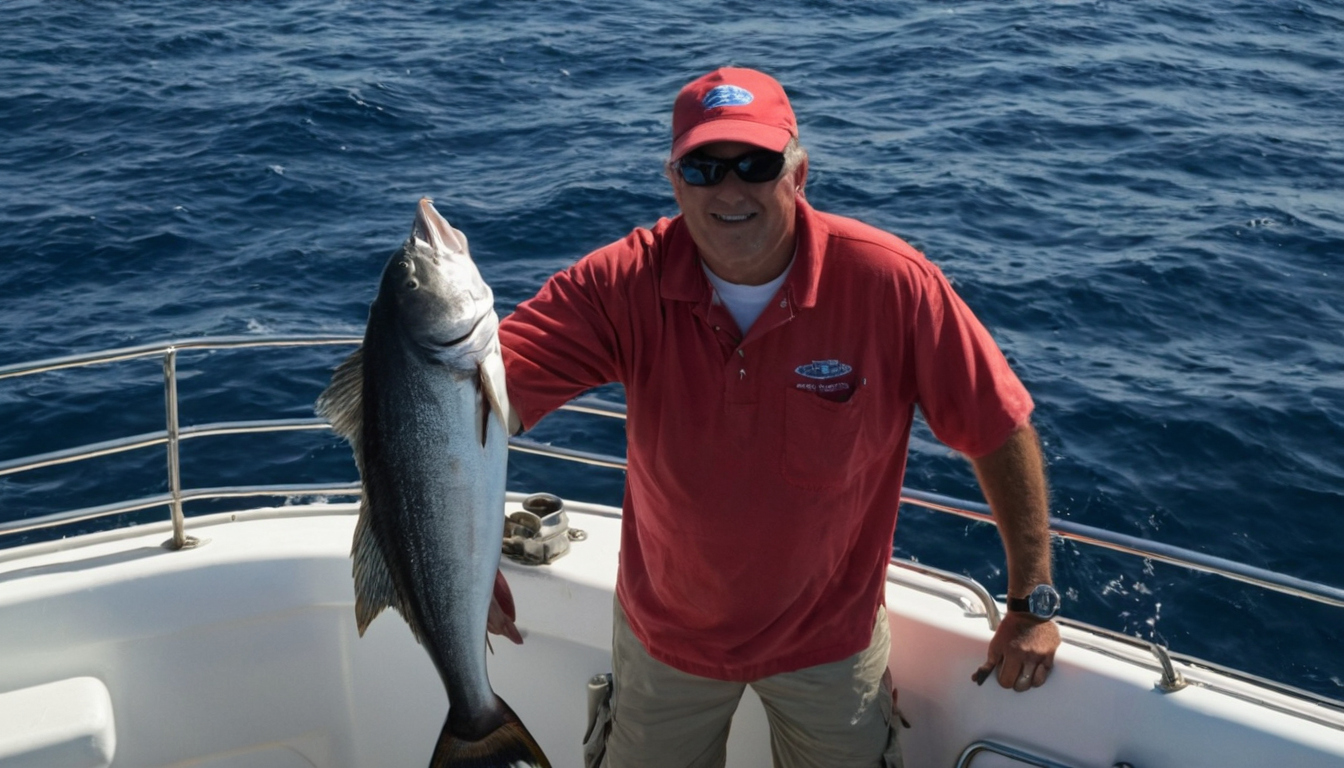
Deep-Sea Fishing Charters: Choose the Right Trip Length and Departure Time shown as an editorial planning reference.
Which deep-sea fishing trip length fits a first-time guest?
Choose a half-day trip for lower commitment, a full day for greater offshore reach, or an extended trip only when the fishing goal, stamina, and budget justify it. Trip labels are marketing categories, not universal hour standards.
- Half-day: Often suits first-timers, families, and constrained itineraries. Ask whether check-in falls outside the advertised duration and how much time is normally spent traveling.
- Full-day: Better suits species-focused guests prepared for a longer run and changing conditions. Ask for the likely fishing-time range rather than a guarantee.
- Extended: Suits durable anglers who accept greater schedule and comfort demands. Confirm sleeping arrangements, meals, equipment, and fish cleaning.
Half-day deep-sea fishing suits guests who prioritize comfort and schedule flexibility
A shorter trip reduces the commitment but cannot guarantee calm water, nearby fishing grounds, or a particular catch. Leave recovery time before an evening reservation or onward journey.
Full-day or extended deep-sea fishing suits species-focused guests with greater stamina
Longer range may open different fisheries, but availability still depends on location and season. California ocean rules, for example, vary by management area, species, date, and sometimes authorized depth. The next comparison is how much advertised duration becomes usable fishing time.
Advertised deep-sea fishing duration is not the same as fishing time
A charter’s advertised duration may include loading, a safety briefing, harbor transit, bait stops, offshore travel, fishing, and the return. Ask for estimated lines-in time based on the port, seasonal grounds, vessel speed, target species, and expected conditions.
How much of a deep-sea fishing charter is spent traveling?
Consider a hypothetical sequence: guests check in, load equipment, clear the harbor, run offshore, fish, return, unload, and arrange optional cleaning. The charter clock may start at departure even though fishing cannot begin until the vessel reaches suitable water.
Use this diagnostic: advertised duration minus loading, harbor and offshore transit, bait stops, return travel, and unloading equals estimated usable fishing time. Transit may increase when fish move farther offshore, the captain changes grounds, or waves, fog, current, and inlet conditions require slower travel.
Deep-sea fishing methods change how much active fishing guests receive
Trolling can keep lines deployed while the boat searches. Bottom fishing, drifting, and deep dropping require repeated setup, descent, retrieval, and repositioning. Ask whether guests handle their own rods, rotate turns, or receive crew-hooked fish. Once fishing time is clear, compare departure windows.
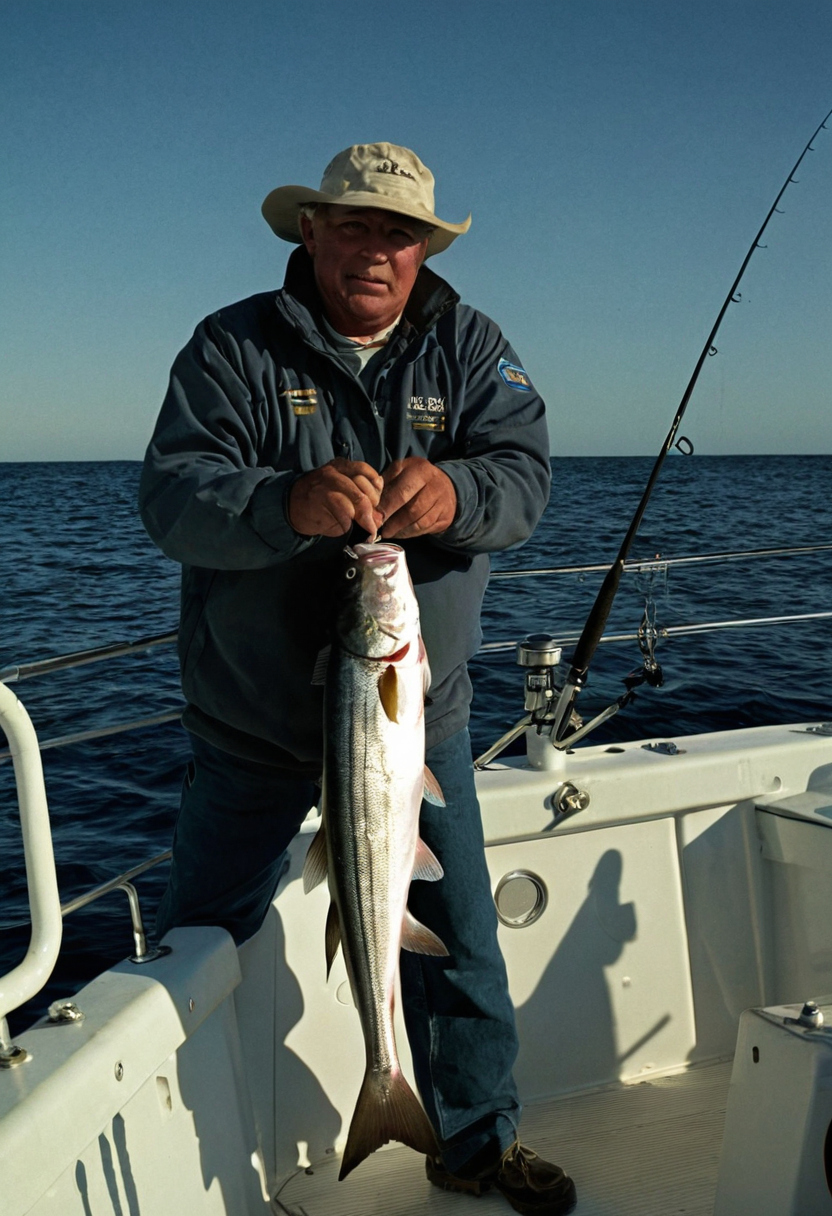
Advertised deep-sea fishing duration is not the same as fishing time shown with practical context cues.
What is the best departure time for deep-sea fishing?
The best departure balances daylight, offshore transit, target-species activity, current, local weather, and the party’s schedule. Sunrise is not automatically best for every port, season, or fishing method.
Morning and afternoon deep-sea fishing departures involve different tradeoffs
| Departure | Planning benefit | Comfort risk | Confirmation needed |
|---|---|---|---|
| Morning | More daylight and an earlier return | Lost sleep, a cold start, or a rough inlet | Check-in time and distance to the grounds |
| Afternoon | Relaxed start and possible evening fishing | Heat, building wind, or thunderstorms | Return flexibility and weather policy |
| Overnight | Offshore transit while guests rest | Fatigue, limited sleep, and prolonged exposure | Berths, meals, and the fishing schedule |
Marine forecasts help assess deep-sea fishing comfort but do not replace the captain’s decision
Review the relevant forecast for wind, gusts, wave height, wave period, direction, visibility, heat, storms, and advisories. NOAA stations 46232 at Point Loma South, 42039 in the offshore Gulf, and 44013, Boston 16 nautical miles east, publish time-stamped point observations when their instruments report. Each station represents its location and observation time, not the entire charter route, and missing data does not mean calm conditions.
Wave direction, period, and vessel design can matter as much as height. The captain makes the operational decision, while the vessel’s layout determines how manageable the ride feels.
Which deep-sea fishing vessel and amenities suit families or first-time guests?
A suitable vessel matches the party’s ages, mobility, privacy needs, and tolerance for heat, spray, noise, and motion. Vessel size alone does not guarantee comfort.
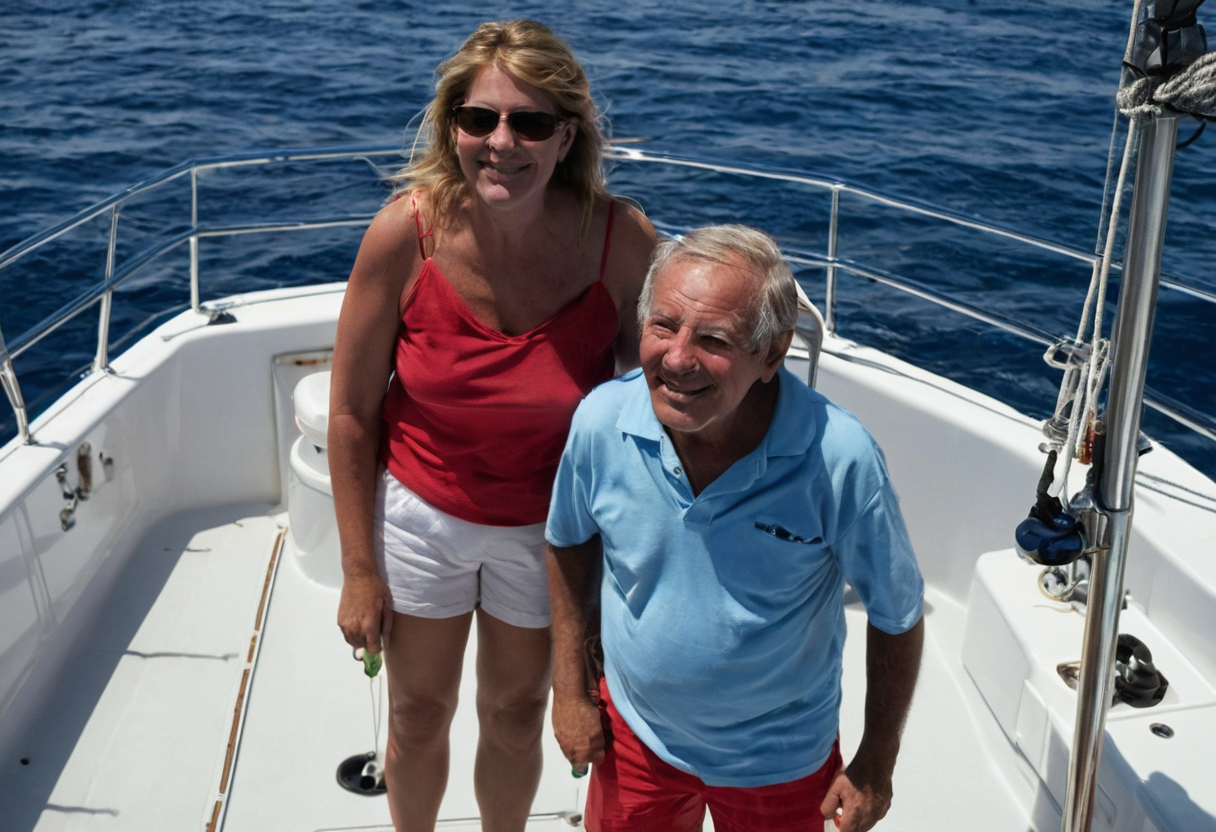
Which deep-sea fishing vessel and amenities suit families or first-time guests shown as an editorial planning reference.
- Boarding: Confirm gangway angles, steps, thresholds, handrails, wheelchair space, and available crew assistance.
- Underway comfort: Check for covered seating, an enclosed cabin, toilet privacy, ventilation, and spray protection.
- Fishing setup: Ask about rail space, rod rotation, assigned positions, passenger limits, and seating for non-fishing guests.
Private and shared deep-sea fishing charters offer different passenger experiences
Private charters offer exclusive use and closer crew attention, but the party generally pays for the boat. Shared fishing charters sell individual spaces and may mix experience levels. This guide covers crewed passenger excursions; review the difference between bareboat rentals and skippered charters when comparing vessel formats.
Deep-sea fishing age limits and accessibility depend on the vessel and trip
Families should request written minimum-age, supervision, and child life-jacket policies. Guests with limited mobility should ask about the complete boarding route and toilet access because vessel features and passenger rules vary.
Deep-sea fishing guests should verify shade, toilets, food, and seasickness options
Confirm drinking water, food service, cooler rules, shade, toilet access, and restrictions on alcohol or glass. Anyone considering motion-sickness medication should discuss timing, drowsiness, health conditions, and interactions with a clinician.
How should guests compare deep-sea fishing charter prices?
Compare total party cost, not the headline fare. Include the base price, passenger allowance, mandatory fees, licenses, food, parking, equipment, fish cleaning, packaging, and payment terms.
The lowest advertised fishing-charter fare may not be the lowest total cost
Request dated, itemized quotes for the same trip duration and party size. Confirm whether the quote is per person or for the boat, then check taxes, booking fees, fuel surcharges, extra-passenger charges, deposits, balance deadlines, and weather credits. California offers short-term sport fishing licenses, but the license must cover the fishing date, and a required validation or report card remains separate.
Deep-sea fishing gratuity practices are local and should be confirmed before departure
Ask whether gratuity is included, replaced by a service charge, pooled among the crew, or paid directly to a mate. Treat a voluntary tip separately from mandatory costs instead of assuming a universal percentage. Then verify who receives and processes any legal catch.
Deep-sea fishing catch policies depend on the jurisdiction and operator
Catch policies depend on the waters fished, current seasons, protected species, size and bag limits, license rules, and operator practices. Do not assume every legal fish will be retained or divided equally.
Do deep-sea fishing charter guests need an individual fishing license?
The California Department of Fish and Wildlife generally requires a person 16 or older who takes fish in ocean waters to hold a sport fishing license. Exceptions apply, but boarding a charter does not create a general exemption. Requirements elsewhere may depend on age, residency, species, vessel permits, and jurisdiction.
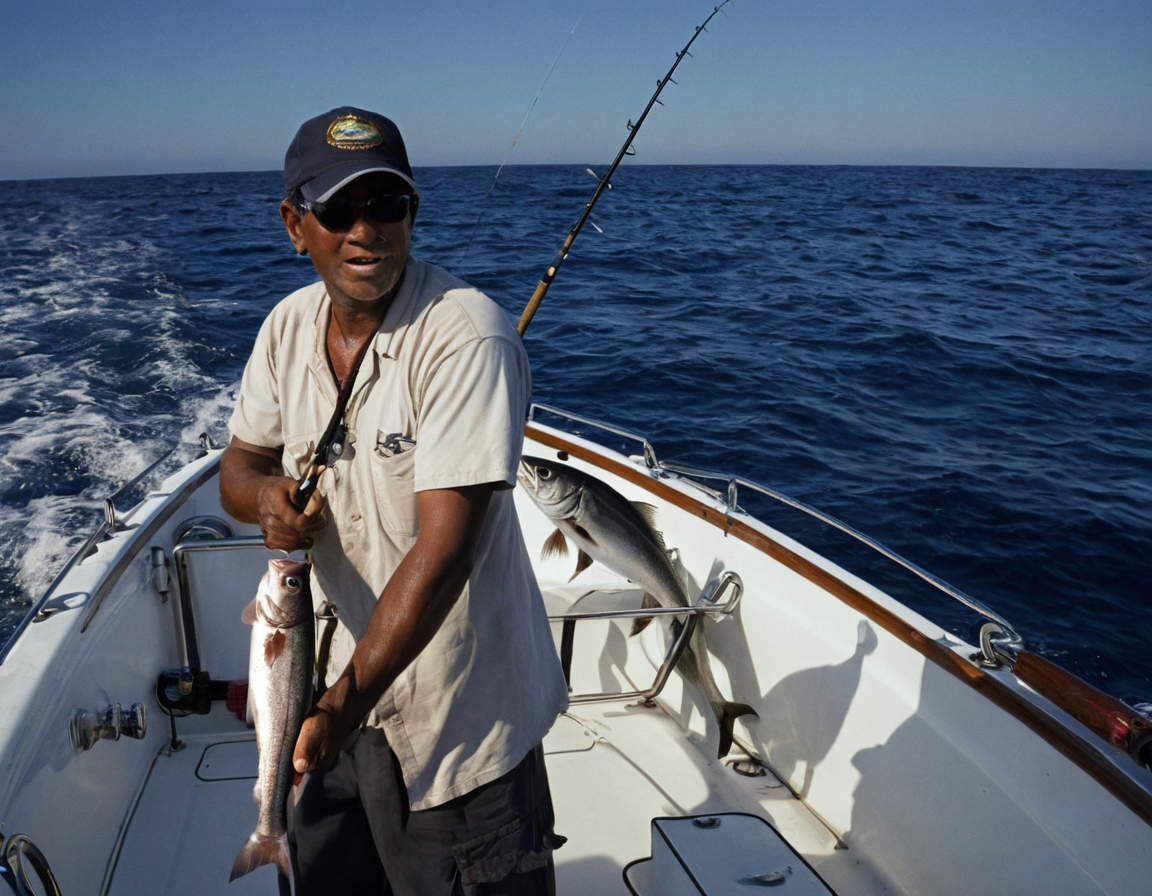
Deep-sea fishing catch policies depend on the jurisdiction and operator shown as an editorial planning reference.
Who keeps and cleans fish caught on a deep-sea fishing charter?
The operator may assign catch to individual anglers, pool it among passengers, release it, or follow another agreed policy. Ask who records the catch, whether cleaning costs extra, and whether packaging, ice, freezing, or later pickup is available. Travelers should also check lodging, carrier, and customs restrictions.
What should guests confirm before booking a deep-sea fishing charter?
Book only after the operator confirms the complete time commitment, vessel, price, weather policy, passenger rules, and catch arrangements in writing.
A deep-sea fishing booking request should state the party’s real constraints
Provide the group size, children’s ages, mobility needs, fishing experience, target species, budget, maximum duration, and return-time limits. Request confirmation of the marina, check-in deadline, parking, included equipment, food arrangements, late-arrival policy, and terms for cancellations, low passenger numbers, mechanical problems, weather, refunds, and rescheduling.